
 Health & Beauty
“Remineralizing gum” sounds almost too good to be true, a piece of chewing gum that claims to strengthen tooth enamel, reduce sensitivity, and even help reverse early cavity damage. But the question is does it really work?
Hello friends!! Have you guys ever heard that “Can chewing gum really repair your teeth?” I mean, it sounds a bit like a dental shortcut: skip the drills, just pop a piece of gum. Recently, functional chewing gums, especially those marketed as remineralizing, have been gaining attention for their supposed ability to strengthen enamel and even reverse early tooth damage. From social media trends to dental product shelves, the idea is everywhere: chew your way to healthier teeth.
Here, let’s take a detailed look at it…
What Is Remineralizing Gum?
So, what exactly is remineralizing gum? It is a type of sugar-free chewing gum that goes a step further than just freshening your breath. These gums are made with active ingredients designed to support your teeth, especially by helping restore minerals to enamel, the hard outer layer that protects against decay.
Think of it as gum with a purpose. Not just something to chew, but something that does something. Most remineralizing gums include a mix of ingredients like:
- Xylitol: a natural sweetener that doesn’t feed harmful bacteria and can actually help reduce them
- Calcium and phosphate: the same minerals your enamel is made of, used to help rebuild weakened areas
- Hydroxyapatite: a compound that closely mimics the structure of tooth enamel itself
- Fluoride (in some versions): a well-known ingredient that strengthens enamel and helps prevent cavities
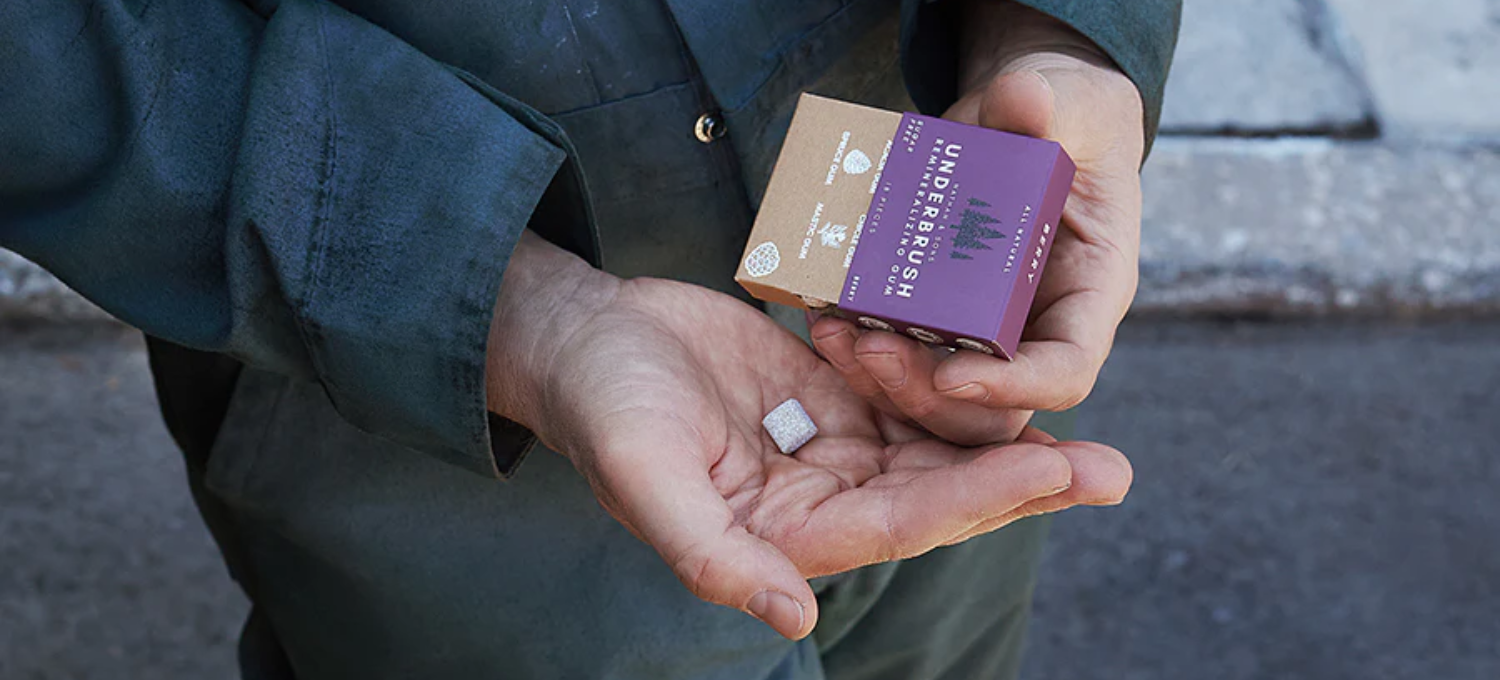
All of this might sound pretty impressive, and it is, to a point. But it’s important to keep expectations grounded. Remineralizing gum that you can easily get from Nathan & Sons is more advanced than regular chewing gum, especially the sugary kinds that can harm your teeth. Still, it’s best thought of as a supporting player in your oral care routine, not the star of the show. Brushing, flossing, and regular dental checkups still do the heavy lifting.
How Tooth Remineralization Works
Your teeth are constantly in a cycle of losing and regaining minerals. When you eat sugary or acidic foods, bacteria produce acids that lower the pH in your mouth. Once it drops below about 5.5, your enamel, made mostly of strong hydroxyapatite crystals, starts to lose key minerals like calcium and phosphate. This process, called demineralization, gradually weakens the enamel and can lead to early tooth damage.
Fortunately, your body has a natural repair system. Saliva helps bring the pH back up and delivers minerals to the enamel, allowing it to rebuild in a process called remineralization. It’s a constant balance: acids pull minerals out, while saliva puts them back in. When this balance is maintained, your teeth stay strong, but if not, decay can begin.
How Remineralizing Gum Is Supposed to Help
Remineralizing gum works by supporting your mouth’s natural defense and repair systems in a few key ways.
Stimulates Saliva Production
Simply chewing gum gets your saliva flowing. This matters more than you might think, saliva carries essential minerals like calcium and phosphate, which your enamel needs to stay strong. More saliva also helps wash away food particles and dilute acids, giving your teeth a better chance to recover after eating.
Raises Oral pH
As saliva production increases, it helps bring your mouth back to a healthier, less acidic state. This shift in pH is important because it slows down the process of enamel breakdown. In other words, it helps stop the damage before it gets worse.
Provides Active Ingredients
Remineralizing gum goes beyond regular gum by delivering helpful compounds directly into your mouth. Ingredients like xylitol can reduce harmful bacteria, while calcium and phosphate help replenish lost minerals. Some formulas also include hydroxyapatite, which may bind to the enamel surface and reinforce weak spots.
Helps Clean Teeth
There’s also a simple mechanical benefit: chewing gum can help dislodge bits of food stuck between teeth and along the gumline. While it’s not a replacement for brushing or flossing, it can offer a quick, convenient clean-up when you’re on the go.
FAQs
How Long Should You Chew Remineralizing Gum for It to Work?
Most experts recommend chewing for 10–20 minutes after meals. This maximizes saliva production and gives active ingredients time to work.
Is Remineralizing Gum Better than Regular Sugar-free Gum?
Yes, remineralizing gum typically contains added ingredients like calcium, phosphate, or hydroxyapatite, which may enhance enamel repair beyond standard sugar-free gum.
Can Remineralizing Gum Prevent Cavities?
It can reduce the risk of cavities, especially when it contains xylitol, which helps lower harmful bacteria. However, it should be used alongside brushing and flossing.
Remineralizing gum by Nathan & Sons isn’t a miracle cure, but it’s also not just hype; it can genuinely support your oral health when used properly. By increasing saliva flow, balancing mouth pH, and delivering helpful minerals, it creates the right conditions for protecting and strengthening enamel, especially in the early stages of damage. However, it works best as a supplement, not a replacement for brushing, flossing, and regular dental care. Think of it as a convenient, on-the-go boost that adds an extra layer of protection throughout the day.
Stay tuned to GotYourDeal for more updates on Remineralizing Gum.