
 Lifestyle
Three filtration stages stand between the incoming supply and your glass. Understanding each one makes Waterdrop UK filtration claims much easier to judge.
All featured products are selected by our editors and may include affiliate links. If you purchase through these links, we may earn a commission.
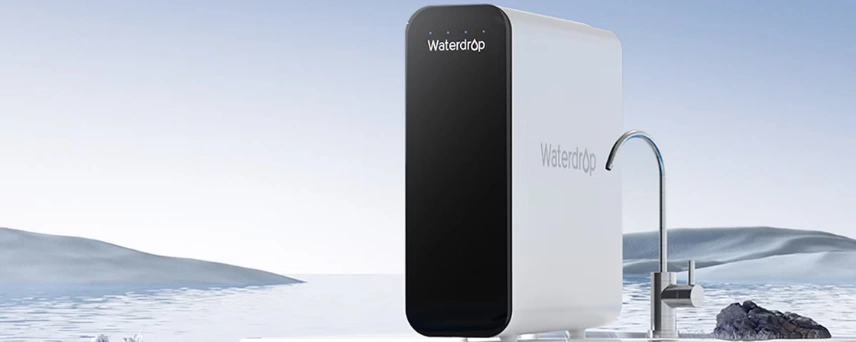
A Waterdrop Filter can sound impressive on paper, but micron ratings and membrane names reveal little about what actually changes in your glass. Waterdrop UK uses three filtration stages in its TSU system, each handling a different part of the job.
This guide follows water through those stages, explains what the system is designed to reduce, and highlights what can still remain after filtration.
What Happens Inside The Waterdrop Filter Makes The Claims Easier To Judge
Waterdrop UK's TSU does not rely on a single cartridge to tackle every concern. Water moves through polypropylene, ultrafiltration and carbon stages. That sequence matters because visible particles, microscopic contaminants and unpleasant tastes require different filtration methods.
Think of the process as progressively finer screening. Larger material gets dealt with before water reaches the 0.01 micron membrane, while carbon filtration serves another purpose later in the process. Knowing those roles makes a Water Filter easier to assess based on your actual water concerns.
The First Stage Deals With Larger Impurities
The PP stage uses a polypropylene membrane and acts as an early barrier for particulate material. Sediment, rust and similar suspended impurities are the sort of contaminants this stage is intended to capture before water continues deeper into the system.
There is a practical benefit to starting here. Removing larger particles prevents them from becoming the entire filtration system's problem. Waterdrop UK recommends replacing its TSPP filter every six months, although actual service life can vary with local water conditions and household use.
Ultrafiltration Handles Much Smaller Contaminants
Next comes the feature that defines this Waterdrop Filter. Its ultrafiltration membrane has a 0.01 micron rating. Waterdrop UK says this filtration can reduce 99.9 percent of bacteria as well as PFOA, PFOS, chlorine and other impurities. Those figures are manufacturer claims and should be understood as such.
A micron rating is most effective as a physical cutoff, not as a shorthand for deleting everything unwanted. Ultrafiltration is meant to prevent passage of material larger than the pores of its membrane, but allows passage of water and many smaller dissolved materials.
Carbon Filtration Helps With Taste And Odour
Water can meet basic expectations and still have a chlorine taste or smell that makes a glass less appealing. Carbon filtration is useful here because its role includes addressing compounds associated with unwanted taste and odour.
It’s hard to see that distinction while judging Water Drop Filtration. Filtration quality is more than simply what goes off a laboratory list. Taste can affect how often people actually drink tap water, make tea with it or use it while cooking.
That point has some real world context with independent input. The evaluations Trustpilot collects are verified and include people saying better flavor, easy to install, however individual experiences cannot determine filtration efficacy or effectiveness.
A Waterdrop Filter Does Not Remove Everything Found In Water
A useful filtration guide should explain what remains too. Ultrafiltration is different from reverse osmosis because many dissolved substances are small enough to pass through an ultrafiltration membrane.
That distinction matters before choosing Under Sink Water Filtration. If your main concern involves sediment, certain microorganisms, chlorine related taste or other contaminants targeted by the TSU, its filtration approach may fit. A household specifically concerned about dissolved solids needs to look more closely at what UF technology can achieve.
Dissolved Minerals Can Pass Through Ultrafiltration
Many water-soluble minerals are present at a scale that allows them to pass through UF membranes. So, ultrafiltration can allow naturally existing dissolved minerals to remain in the final water, rather than removing them with the larger pollutants.
This gives the Waterdrop Filter an important limitation as well as a defining characteristic. A 0.01 micron membrane sounds extremely fine, yet a smaller pore rating should never be interpreted as proof that every dissolved substance has been removed.
TDS Requires A Different Filtration Approach
TDS refers to dissolved solids in water. Standard ultrafiltration is not designed to substantially reduce those dissolved salts and minerals because they are small enough to travel through UF membrane pores.
So a TDS meter can create confusion after installing this Water Filter. A similar reading before and after filtration does not automatically mean the filter has done nothing. TDS testing simply measures something different from sediment removal, microbial filtration or improvements in chlorine related taste.
That is a particularly useful distinction when judging the TSU. Someone whose primary goal is substantial TDS reduction should investigate a filtration technology designed for that purpose rather than assuming ultrafiltration will produce the same result.
Under Sink Water Filtration Can Make More Sense For Everyday Kitchen Use
Filtration performance is only part of daily ownership. Waterdrop UK's TSU sits beneath the sink and supplies filtered water without requiring a jug to be repeatedly filled and stored.
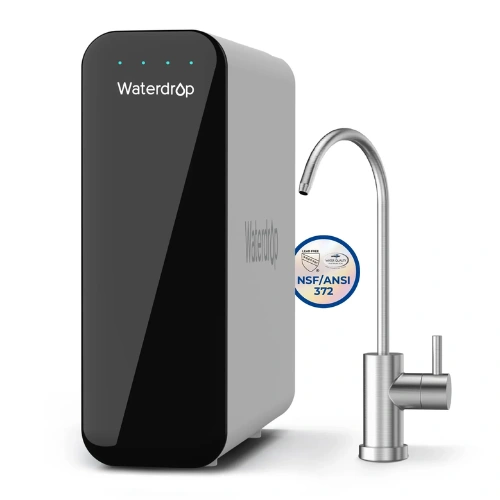
Its housing measures 37.6 by 11.9 by 35.6 centimetres, so measuring the cabinet before ordering is sensible. The design also includes front indicators that signal when individual cartridges need attention.
Filtered Water Remains Available Without Refilling A Jug
An under-sink solution eliminates the fill-and-wait routine of a jug if you’re a household that drinks and cooks with filtered water on a daily basis. The specialized outlet treats water as required.
Maintenance still matters. Waterdrop UK gives the PP filter a six month lifespan, the carbon filter twelve months and the UF cartridge up to twenty four months. Indicator lights and audible alerts help make those separate schedules easier to remember.
Zero Wastewater Makes Daily Filtration Simpler
According to Waterdrop UK, the TSU does not generate any wastewater during filtering. That can appeal to those who want filtration but don’t want a rejected water stream and don’t want to add a drain connection below the sink.
The Waterdrop Filter also has twist and pull cartridges for replacement. That seems like a small thing, but upkeep is frequently what makes a filtration system feel practical once the novelty of installation wears off.
No Mains Electricity Is Needed For Filtration
The TSU does not require mains electricity for filtration, according to Waterdrop UK. Its filter life indicators provide reminders without turning the system into another kitchen appliance that needs a conventional power connection.
One specification deserves closer attention. Waterdrop UK lists NSF ANSI 372 certification. NSF explains that this standard concerns lead content in drinking water system components. It should not be interpreted as independent certification that every contaminant reduction claim made for a Waterdrop Filter has been verified.
FAQs
What Does The Waterdrop Filter Remove From Tap Water?
The TSU uses PP, ultrafiltration and carbon filtration for different purposes. Waterdrop UK says the system targets larger impurities alongside bacteria, PFOA, PFOS, chlorine and other contaminants. Carbon filtration also helps address unwanted taste and odour.
Does The Waterdrop Filter Remove Minerals From Water?
Many dissolved minerals can remain after ultrafiltration because they are small enough to pass through the UF membrane. This is one reason filtered water from the TSU can still contain naturally occurring dissolved minerals.
Does The Waterdrop Filter Reduce TDS?
Ultrafiltration is not designed for substantial TDS reduction. Dissolved salts and minerals are generally small enough to pass through a UF membrane, so a similar TDS reading before and after filtration does not necessarily indicate that the system has failed to perform its intended filtration role.
Does The Waterdrop Filter Need Electricity To Work?
The TSU does not require mains electricity to perform filtration. Waterdrop UK states that the system runs without an electrical connection, while its front panel indicators provide reminders when filters are due for replacement.
A Waterdrop Filter makes more sense when you look beyond how many contaminants it claims to reduce and consider whether its three filtration stages address the concerns you have about your tap water.
Understanding what ultrafiltration removes, what can remain, and how the system fits into daily use makes the final choice far more practical.
Follow GotYourDeal for more practical insights on water quality and everyday health.